
Predicting stock performance can be challenging, but the Discounted Dividend Model offers a structured approach. By focusing on the present value of expected future dividends, investors can gain insights into a stock’s potential performance and make informed investment decisions.
How DDM Helps Predict Stock Performance
The Discounted Dividend Model (DDM) emphasizes cash flows to shareholders, providing a clear picture of a company’s financial health. By calculating the intrinsic value of a stock based on projected dividends, investors can evaluate whether it is undervalued, fairly priced, or overvalued compared to the current market price.
Key Components for Accurate Prediction
Successful application of DDM requires attention to three main elements:
- Expected Dividends (D): Predicted payments to shareholders
- Discount Rate (r): Reflects the required return and investment risk
- Dividend Growth Rate (g): Projects the growth of dividends over time
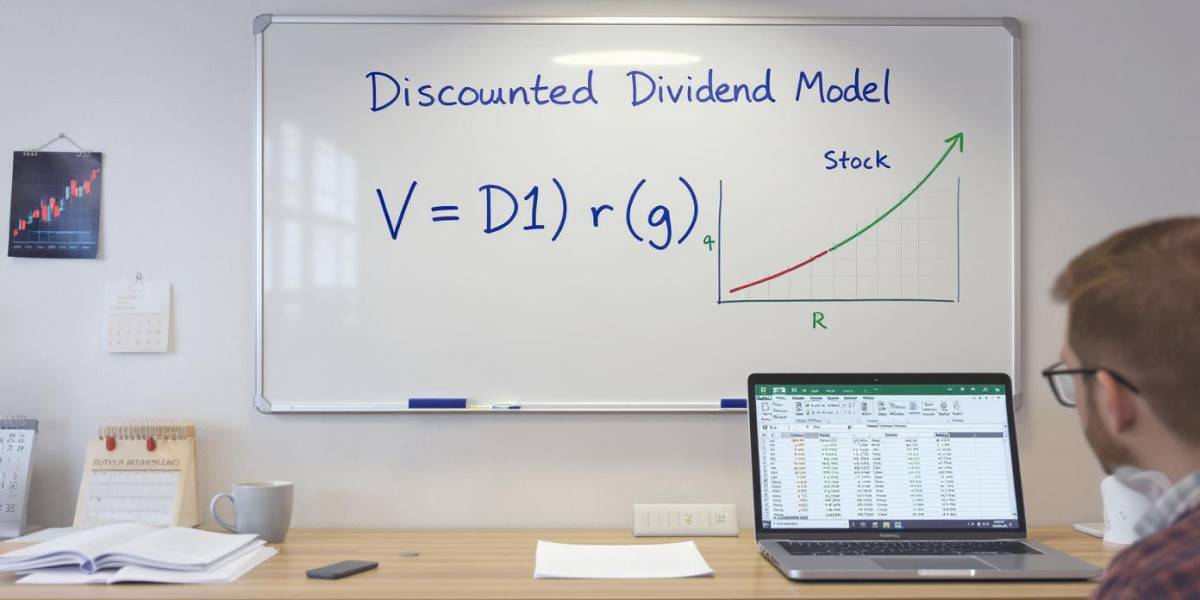
For companies with predictable dividend growth, the Gordon Growth formula is commonly applied:
P0=D1r−gP_0 = \frac{D_1}{r - g}
This calculation transforms expected future dividends into present value, offering a benchmark for performance prediction.
Selecting the Appropriate Model
The choice of DDM model depends on the company’s dividend pattern:
- Gordon Growth Model: Suitable for mature companies with stable dividends
- Two-Stage Model: Accounts for high growth initially, followed by steady dividends
- Multi-Stage Model: Ideal for firms with complex or variable growth phases
Using the correct model ensures predictions align with the company’s financial reality.
Projecting Future Dividends
Accurate predictions depend on realistic dividend projections. Analysts typically review:
- Historical dividend patterns
- Company earnings growth trends
- Dividend payout ratios
Consistent and growing dividends signal reliability, making predictions more dependable.
Calculating the Discount Rate
The discount rate is crucial for determining present value and assessing performance potential. Investors often use the cost of equity or the Capital Asset Pricing Model (CAPM) to set a rate that reflects both market conditions and company risk.
Advantages of Using DDM for Performance Prediction
- Focuses on tangible cash returns
- Offers a structured method for long-term investment decisions
- Helps identify undervalued stocks with growth potential
- Reduces reliance on short-term market volatility
Limitations to Consider
- Less applicable for companies that do not pay dividends
- Sensitive to assumptions regarding growth and discount rates
- Does not reflect short-term market fluctuations or investor sentiment
Important Information
Using the Discounted Dividend Model allows investors to predict stock performance systematically. Updating dividend forecasts and discount rates regularly is critical for maintaining accuracy. Combining DDM with other financial analysis methods enhances investment decisions and helps create a stronger, long-term portfolio strategy.
At BusinessInfoPro, we empower entrepreneurs, small businesses, and professionals with actionable insights, strategies, and tools to fuel growth. By simplifying complex ideas in business, marketing, and operations, we help you turn challenges into opportunities and navigate today’s dynamic market with confidence. Your success is our mission because when you grow, we grow.