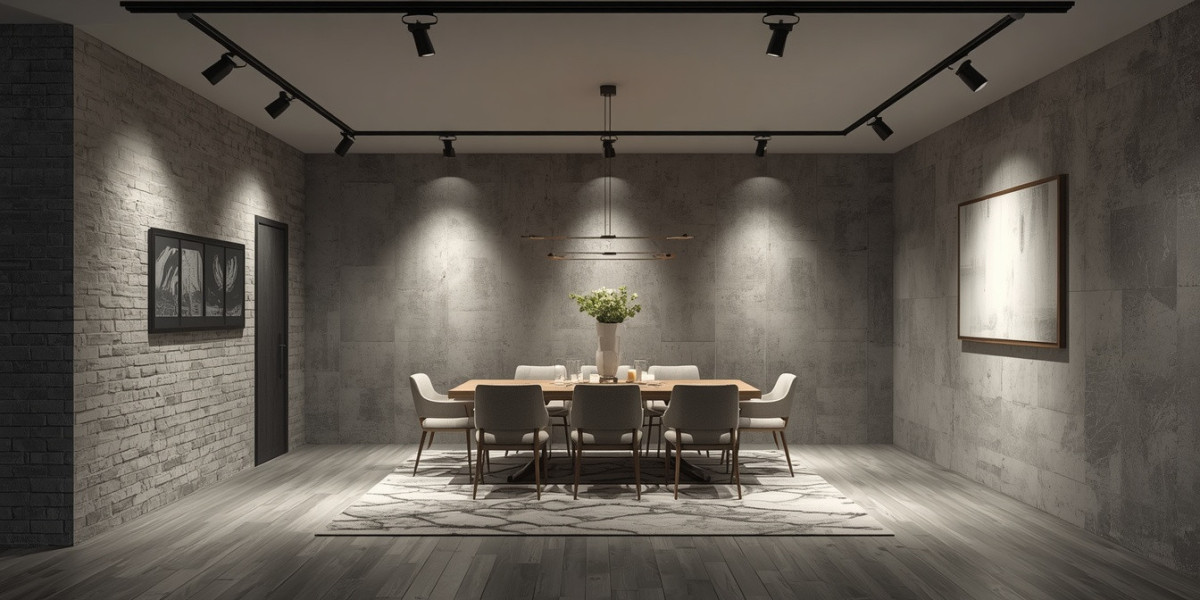

Lighting has become much more than a practical necessity. In today's homes, retail stores, offices, galleries, and hospitality spaces, lighting plays a major role in creating atmosphere, highlighting architectural features, and improving the overall customer experience. However, achieving beautiful illumination should not come at the expense of high energy bills.
Modern Premium Track Lighting offers a solution that combines energy efficiency with design flexibility. Unlike fixed ceiling fixtures, track lighting allows individual light heads to be adjusted and repositioned whenever the layout changes. When paired with advanced LED technology, it provides targeted illumination while consuming significantly less electricity than traditional lighting systems. The result is a lighting solution that supports both sustainability and sophisticated interior design.
Why Is Track Lighting Becoming More Popular?
Interior spaces continue to evolve. Retail displays change with new product launches, offices are redesigned for collaboration, and homeowners frequently update furniture layouts and décor. Fixed lighting often struggles to adapt to these changes.
Track lighting solves this challenge by allowing fixtures to move along the track and direct light exactly where it is needed. Whether highlighting artwork, illuminating merchandise, or creating layered lighting in a living room, the system offers flexibility without requiring major electrical modifications.
This adaptability makes track lighting a practical investment for both residential and commercial environments.
How Does Premium Track Lighting Improve Energy Efficiency?
Professional Premium Track Lighting combines adjustable lighting with energy-efficient LED technology. Modern LED track fixtures provide high-quality illumination while using significantly less power than older halogen or incandescent alternatives.
Many designers and contractors choose fixtures such as the 10W COB LED Track Light because they deliver focused, consistent light with lower energy consumption and a longer operating life. High-quality COB (Chip-on-Board) LEDs also produce better light uniformity and color consistency, making them ideal for spaces where appearance matters.
Lower energy usage, reduced maintenance, and longer-lasting performance all contribute to lower operating costs over time.
Traditional Lighting vs. LED Track Lighting
Lighting Type | Energy Efficiency | Best Application |
Incandescent Fixtures | High energy consumption | Older residential spaces |
Halogen Spotlights | Moderate efficiency | Accent lighting |
LED Track Lighting | Excellent energy efficiency | Homes, retail stores, galleries, offices |
What Features Should You Look for in Track Lighting?
Choosing the right lighting system involves more than selecting an attractive fixture. Performance, flexibility, and long-term reliability are equally important.
Key features to consider include:
Adjustable lighting heads
Energy-efficient LED technology
High color rendering (CRI)
Dimmable compatibility
Long operating lifespan
Modern, minimalist design
Easy installation and maintenance
These features allow lighting to remain functional while complementing the overall interior design.
Why Does Adjustable Lighting Improve Interior Design?
Every room serves a different purpose, and lighting should adapt accordingly. A kitchen requires bright task lighting, while a living room benefits from softer ambient illumination. Retail environments often need focused lighting to draw attention to featured products, and galleries rely on adjustable fixtures to showcase artwork.
Track lighting allows designers to direct light precisely where it creates the greatest visual impact. As layouts change over time, fixtures can simply be repositioned instead of replacing the entire lighting system. This flexibility helps maintain both functionality and visual balance.
How Is LED Technology Shaping Modern Lighting Design?
LED technology has transformed the lighting industry by making energy efficiency, durability, and lighting quality work together. Modern LED fixtures generate less heat, require fewer replacements, and offer a wide range of color temperatures to suit different environments.
Combined with smart lighting controls, LED track systems can also support dimming, zoning, and automated schedules that further reduce energy consumption. These innovations help homeowners and businesses create lighting solutions that are both environmentally responsible and cost-effective.
As sustainability becomes a priority in modern building design, LED lighting continues to play a central role in creating efficient and visually appealing interiors.
Conclusion
Modern lighting should deliver more than brightness—it should enhance the way people experience a space while supporting long-term energy savings. Adjustable LED track systems provide the flexibility, efficiency, and design freedom needed for today's residential and commercial interiors. By investing in quality lighting solutions, property owners can create beautiful environments that are both practical and economical for years to come.