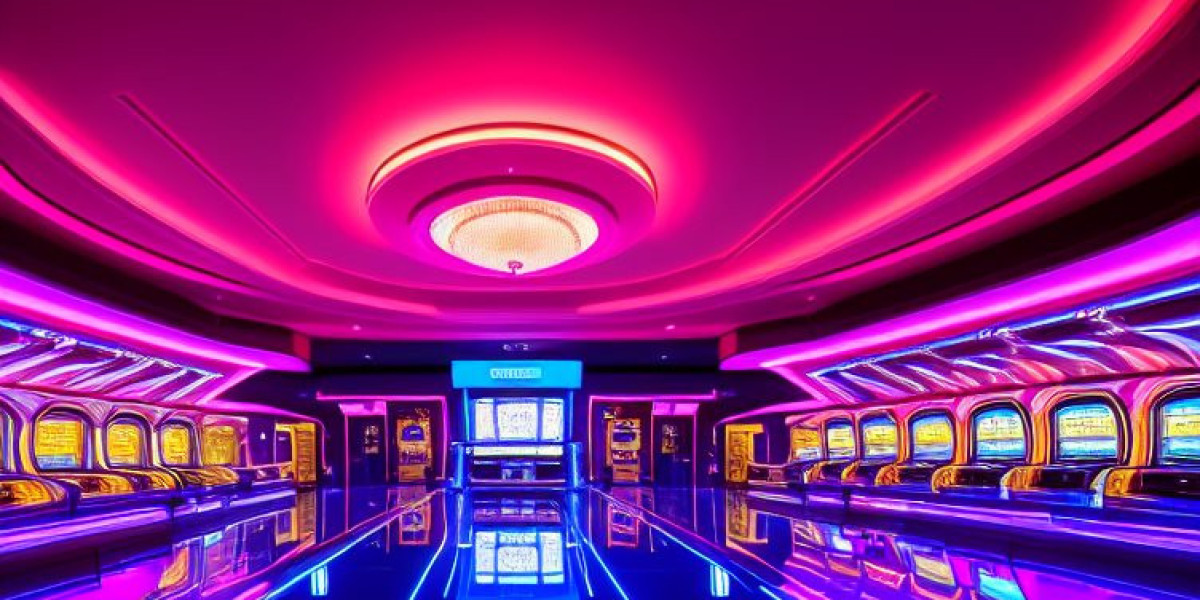
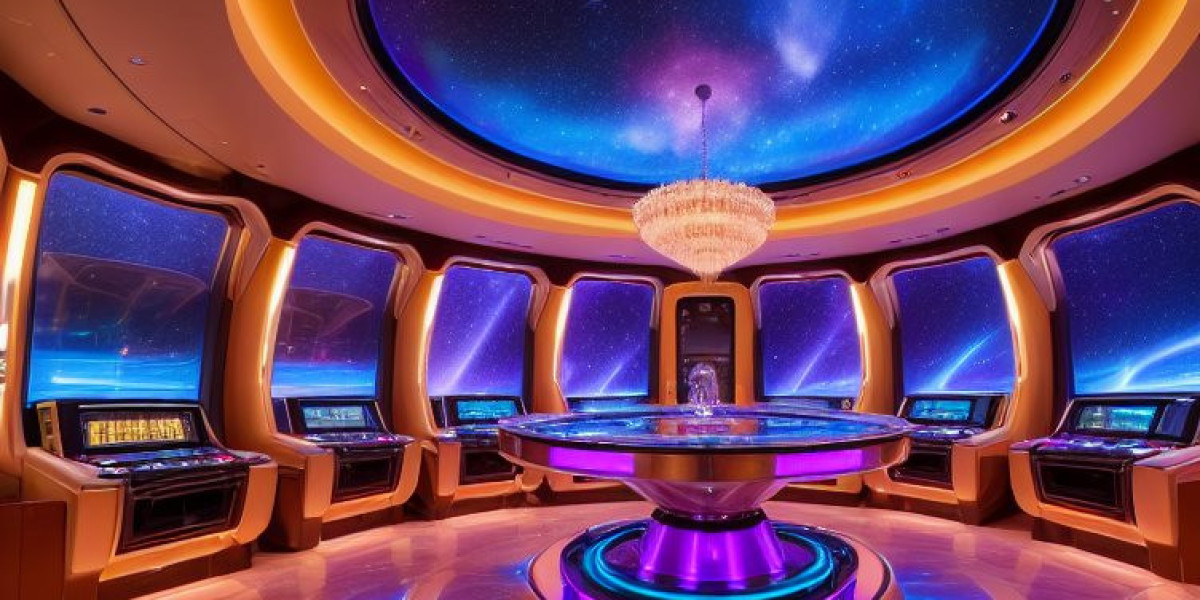
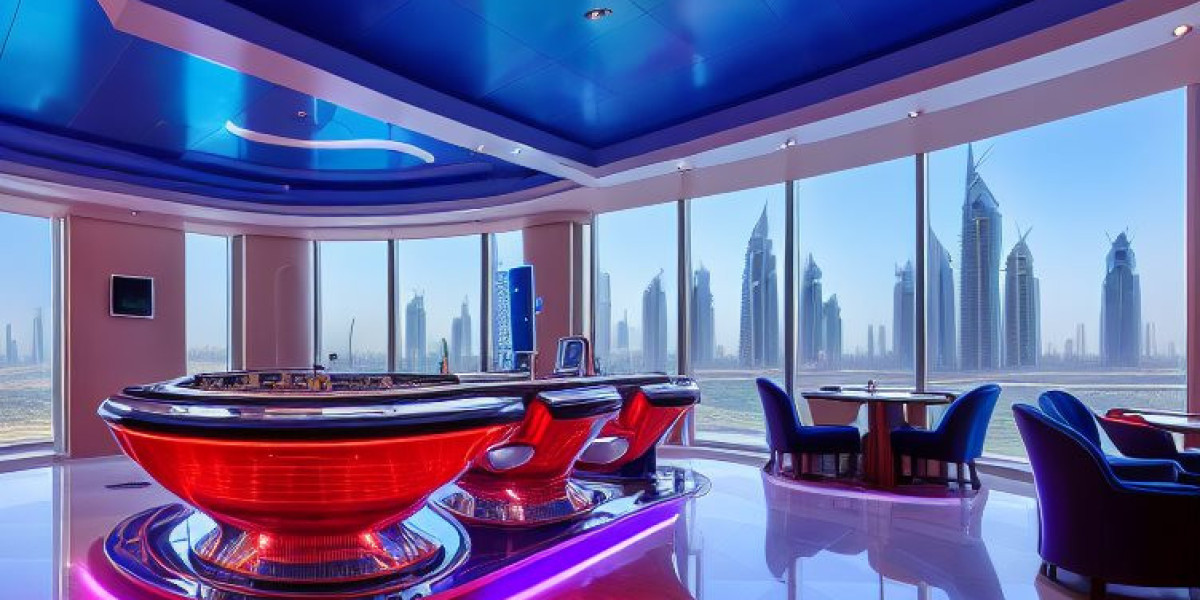
Drive through the outskirts of Austin, Frisco, or San Antonio right now and you'll see the same scene repeated constantly: a sales office and a leasing sign standing in front of an empty lot, sometimes not even graded yet, with a waitlist already forming for units in a building that doesn't exist yet in any physical sense. This isn't a new trend exactly, presale marketing has existed for decades, but the confidence with which Texas developers are doing it lately, selling meaningful percentages of a project before a single wall is framed, reflects something that's changed pretty specifically in the last several years: buyers are no longer being asked to imagine a finished space from a floor plan and a rendering that looks like a video game cutscene. They're looking at something that's close enough to photographic that the imagination gap has mostly closed.
Why this matters more in Texas specifically than in a lot of other markets
Texas has been absorbing population and development at a pace that puts real pressure on developers to move fast, and moving fast on a large multifamily or mixed-use project means committing serious capital months or years before a building is actually livable. Presale revenue, deposits and signed leases secured before construction completes, meaningfully de-risks that timeline for a developer, which is exactly why so much of the sales and marketing effort now happens before groundbreaking rather than after.
The catch is that presale only works if buyers actually trust what they're being shown enough to commit real money to it. A flat floor plan and a stock rendering that looks nothing like the actual planned finishes doesn't build that trust. A photorealistic, accurate visualization of the actual unit, actual finishes, actual light, actual views from that specific floor, does.
What's actually changed in what's possible
The technical leap that's made this shift credible isn't subtle. Modern architectural visualization software can now produce interior and exterior renderings detailed enough that prospective buyers routinely can't tell, at a glance, whether they're looking at a photograph of a finished space or a rendering of one that doesn't exist yet. That level of realism extends to genuinely practical details that matter for a buying decision: how afternoon light actually falls through a specific unit's windows, what the view looks like from a fourteenth-floor balcony relative to neighboring buildings, how a lobby's material palette will actually read in person rather than as a flat digital sample.
For fast-growing Texas metros specifically, where a huge share of new development is happening simultaneously and buyers genuinely have options, the quality of that pre-construction visualization has become a real competitive factor, not just a marketing nicety. A development that can show a convincingly real interior months before it exists has a meaningful edge over one still relying on a generic rendering that looks like it could belong to any building anywhere.
Where this shows up beyond presale marketing
Presale is the most visible use case, but it's far from the only place this matters in Texas's current development pace. Investors and lenders increasingly expect detailed visualization as part of a project pitch, since it communicates design intent and market positioning far more effectively than a set of technical drawings alone. Municipal planning and design review processes, particularly in cities managing rapid growth and trying to maintain some coherence in how new development fits existing neighborhoods, often benefit from clear visual communication of what a project will actually look like once complete, which can meaningfully smooth the approval process. And design teams themselves use these tools internally to catch issues, material choices that don't read the way they'd hoped, spatial relationships that feel different in three dimensions than they did on paper, before construction locks those decisions in.
What to look for from a rendering partner if you're developing in this environment
For a firm working with the pace and volume of development happening across Texas right now, a few things matter beyond just producing attractive images. Fast turnaround matters, since presale marketing timelines are often tight and a slow rendering process can genuinely delay a launch. Local familiarity matters too, understanding the specific look and regulatory context of a given Texas metro, since a rendering that reads as generic or out of place for its market undercuts the trust it's supposed to build. And revision flexibility matters, since finishes and design details often get refined multiple times before a project locks its final specification, and a rendering partner needs to accommodate that iteration without treating every change as a major additional cost.
There's a solid overview of what this looks like specifically across major Texas markets in this breakdown of 3D rendering services in Texas, covering the range of visualization types, interior, exterior, floor plan, animation, that developers across the state's fastest-growing metros are relying on to sell projects before they're built.
The bigger shift underneath all of this
What's really happening isn't just that renderings got prettier. It's that visualization quality crossed a threshold where it became a legitimate substitute for the physical experience of walking through a finished space, at least well enough to support a serious buying or leasing decision. In a state adding residents and development at the pace Texas currently is, that threshold matters enormously, because it's what allows capital to move as fast as the market actually needs it to.