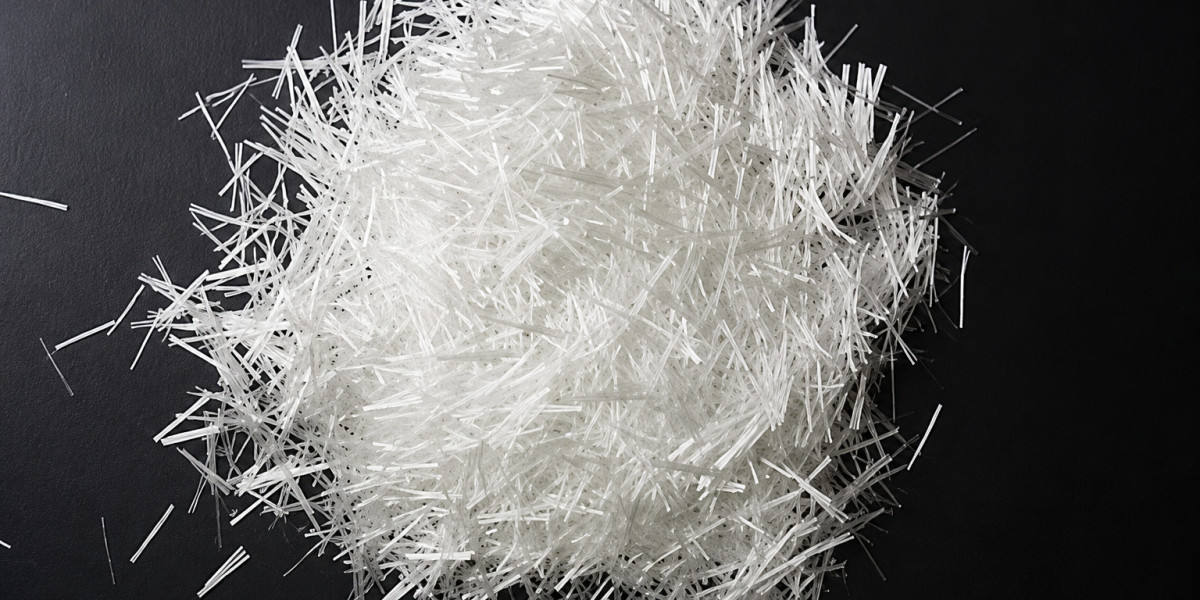

What is fiberglass? Fiberglass is a strong, lightweight material made from extremely fine strands of glass that are woven together or combined with resin to create durable products. It has become one of the most widely used composite materials because it offers an excellent balance of strength, flexibility, corrosion resistance, and affordability. Fiberglass is commonly found in construction, automotive manufacturing, marine industries, aerospace applications, insulation, pipes, storage tanks, and consumer products. Thanks to its durability and versatility, fiberglass continues to replace traditional materials such as steel, wood, and aluminum in many applications.
What Is Fiberglass?
Fiberglass is a reinforced plastic material made by embedding fine glass fibers into a polymer resin, such as polyester, vinyl ester, or epoxy. The glass fibers provide strength, while the resin binds the fibers together and gives the final product its shape. Although the material contains glass, it behaves very differently from ordinary window glass because it is flexible, impact-resistant, and much less likely to shatter. This combination makes fiberglass ideal for manufacturing lightweight yet strong products.
How Is Fiberglass Made?
The manufacturing process begins by melting raw materials such as silica sand, limestone, soda ash, and other minerals at temperatures above 1,400°C. The molten glass is then forced through tiny holes to create extremely thin glass filaments. These fibers are cooled, coated with a protective chemical, and collected into bundles. Depending on the intended application, the fibers are woven into fabric, chopped into strands, or formed into mats. Finally, the fibers are combined with resin and cured under controlled conditions to produce strong fiberglass components.
Main Raw Materials Used to Make Fiberglass
Fiberglass is produced using carefully selected natural minerals that contribute to its strength and durability. Silica sand is the primary ingredient because it provides the glass structure. Limestone helps improve chemical resistance, while soda ash lowers the melting temperature, making production more efficient. Other additives such as borax, alumina, and recycled glass may also be included to enhance performance, reduce costs, and improve environmental sustainability.
Types of Fiberglass
Several types of fiberglass are manufactured to meet different industrial needs. E-glass is the most common type because it offers excellent electrical insulation and mechanical strength. S-glass is stronger and is commonly used in aerospace and military applications. C-glass provides superior chemical resistance, making it suitable for corrosive environments. A-glass resembles window glass and is used in specialized applications, while AR-glass contains zirconia to resist alkaline conditions in reinforced concrete.
Physical Properties of Fiberglass
Fiberglass possesses many physical characteristics that make it valuable across industries. It has high tensile strength, meaning it can withstand significant pulling forces without breaking. The material is lightweight, reducing transportation and installation costs. Fiberglass also resists corrosion, moisture, chemicals, and ultraviolet radiation. It has low thermal conductivity, making it an effective insulation material, and it does not conduct electricity, which increases safety in electrical applications.
Advantages of Fiberglass
Fiberglass offers numerous advantages over traditional materials. It is lightweight yet extremely strong, making handling and installation easier. It does not rust like steel or rot like wood, reducing maintenance costs over time. Fiberglass also provides excellent resistance to moisture, chemicals, and harsh weather conditions. Its long service life makes it a cost-effective solution for industrial, commercial, and residential applications. Additionally, fiberglass can be molded into complex shapes, allowing manufacturers greater design flexibility.
Disadvantages of Fiberglass
Despite its many benefits, fiberglass has some limitations. During manufacturing or cutting, tiny glass fibers can become airborne and irritate the skin, eyes, and respiratory system if proper protective equipment is not used. Fiberglass can also crack under severe impact despite its high strength. Repairing damaged fiberglass may require specialized materials and skilled technicians. Furthermore, recycling fiberglass remains more challenging than recycling metals, although new recycling technologies continue to improve.
Common Uses of Fiberglass
Fiberglass is used in countless industries due to its versatility. Construction companies use it for roofing panels, insulation, doors, windows, and wall panels. Automotive manufacturers incorporate fiberglass into vehicle bodies, bumpers, and interior components to reduce weight. Boat builders rely on fiberglass hulls because they resist water damage and corrosion. Wind turbine blades, pipelines, water tanks, swimming pools, electrical equipment, and sports equipment are also commonly manufactured using fiberglass.
Fiberglass in the Construction Industry
The construction industry depends heavily on fiberglass because it combines durability with energy efficiency. Fiberglass insulation helps regulate indoor temperatures, reducing heating and cooling costs. Fiberglass reinforcement bars provide corrosion resistance in concrete structures, especially in coastal environments. Roofing sheets, skylights, doors, decorative panels, and prefabricated structures also utilize fiberglass because of its weather resistance and long lifespan.
Fiberglass in the Automotive Industry
Vehicle manufacturers use fiberglass to reduce weight while maintaining structural strength. Lightweight vehicles consume less fuel and produce lower emissions, making fiberglass an environmentally friendly material for transportation. Fiberglass is commonly used in sports cars, trucks, buses, recreational vehicles, and aftermarket body kits. The material also resists corrosion, ensuring longer-lasting vehicle components.
Fiberglass in Marine Applications
Boats, yachts, and ships frequently incorporate fiberglass because it withstands constant exposure to water without rusting or deteriorating. Fiberglass hulls require relatively little maintenance compared to wooden or metal vessels. The material also offers smooth finishes that improve hydrodynamic performance and fuel efficiency while extending the lifespan of marine vessels.
Fiberglass Insulation
One of the most recognizable applications of fiberglass is thermal insulation. Fiberglass insulation consists of fine glass fibers that trap air, reducing heat transfer through walls, ceilings, and floors. This helps maintain comfortable indoor temperatures while lowering energy consumption. Fiberglass insulation is also non-combustible, making it an important fire safety material in residential and commercial buildings.
Is Fiberglass Safe?
Fiberglass is generally safe when properly manufactured and used. Finished fiberglass products pose little risk because the fibers are securely bonded within the resin. However, during installation, cutting, sanding, or manufacturing, exposed fibers may cause temporary skin irritation or respiratory discomfort. Wearing gloves, safety glasses, long sleeves, and dust masks significantly reduces these risks. Modern manufacturing standards also improve worker safety by minimizing airborne fibers.
Fiberglass vs Carbon Fiber
Fiberglass and carbon fiber are both composite materials, but they differ significantly in performance and cost. Fiberglass is less expensive, easier to manufacture, and suitable for general-purpose applications. Carbon fiber is considerably stronger and lighter but comes with a much higher price. Industries requiring maximum performance, such as aerospace and Formula One racing, often choose carbon fiber, while fiberglass remains the preferred option for cost-effective manufacturing.
Fiberglass vs Plastic
Although fiberglass contains plastic resin, it is much stronger than ordinary plastic because the embedded glass fibers reinforce the structure. Traditional plastics may deform under heavy loads or high temperatures, whereas fiberglass maintains excellent mechanical performance. Fiberglass also offers superior corrosion resistance and longer service life, making it suitable for demanding industrial applications.
Maintenance of Fiberglass Products
Fiberglass products require minimal maintenance compared to many traditional materials. Regular cleaning with mild soap and water helps preserve their appearance. Small surface scratches can often be polished or repaired using fiberglass repair kits. Periodic inspections help identify cracks or damage before they become serious problems. Proper maintenance allows fiberglass products to remain functional for decades.
Environmental Impact of Fiberglass
The environmental impact of fiberglass depends largely on manufacturing practices and disposal methods. Producing fiberglass requires significant energy because raw materials must be melted at extremely high temperatures. However, the long lifespan of fiberglass products reduces replacement frequency and overall resource consumption. Manufacturers are increasingly adopting recycled glass and improved recycling technologies to reduce environmental impact and promote sustainability.
Future of Fiberglass Technology
Fiberglass technology continues to evolve as industries seek lighter, stronger, and more sustainable materials. Researchers are developing advanced resins, recyclable composites, and automated manufacturing processes that improve product quality while reducing environmental impact. Growing demand for renewable energy, electric vehicles, smart infrastructure, and lightweight transportation is expected to increase fiberglass usage worldwide over the coming decades.
Conclusion
Understanding what is fiberglass helps explain why this versatile composite material has become essential across modern industries. Its combination of strength, lightweight design, corrosion resistance, affordability, and flexibility makes it suitable for countless applications ranging from homes and vehicles to aircraft and wind turbines. Although proper safety precautions are necessary during manufacturing and installation, finished fiberglass products provide reliable, long-lasting performance with minimal maintenance. As technology advances, fiberglass will continue to play a critical role in creating durable, energy-efficient, and innovative products for the future.