
As per Market Research Future analysis, the Baby Products Market Size was estimated at 275.25 USD Billion in 2024. The Baby Products industry is projected to grow from 292.3 USD Billion in 2025 to 533.5 USD Billion by 2035, exhibiting a compound annual growth rate (CAGR) of 6.2% during the forecast period 2025 - 2035.
The increasing focus on infant health, safety, comfort, and convenience is significantly influencing the development of the global baby products industry. Modern parents are becoming more aware of product quality and are seeking reliable solutions that support early childhood care. The demand for safe, innovative, and practical baby products continues to increase as families prioritize better childcare experiences. The rising adoption of infant care essentials is encouraging manufacturers to introduce advanced solutions that meet evolving parental expectations.
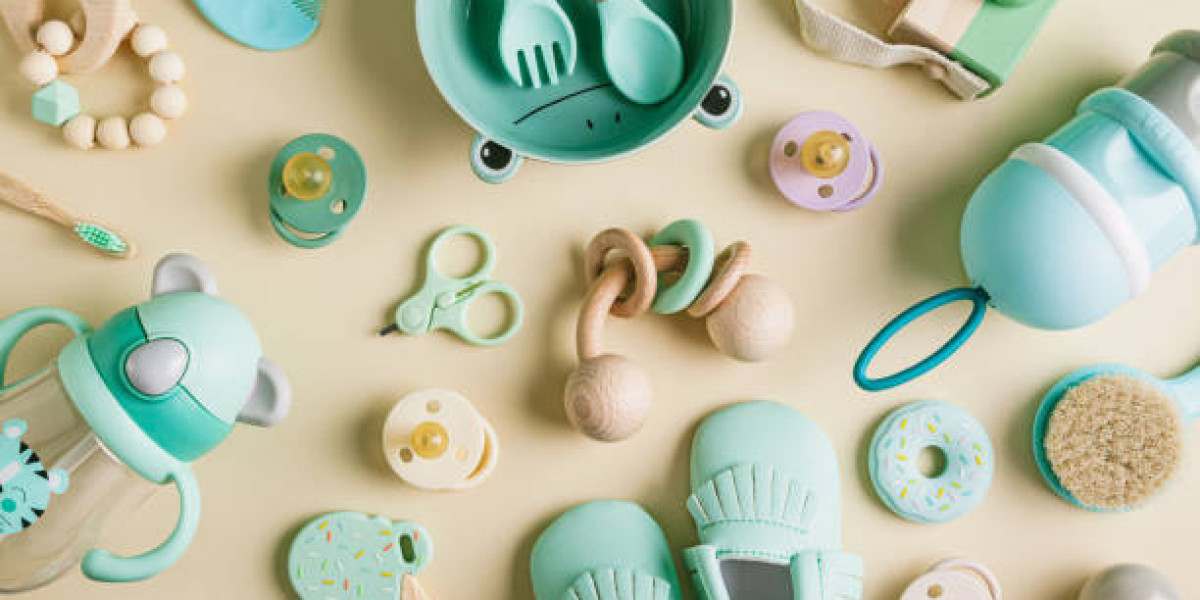
The baby products sector includes a wide range of categories such as baby clothing, feeding accessories, hygiene products, toys, furniture, and healthcare items. Changing lifestyles, increasing awareness about child safety, and growing access to premium products are contributing to industry development. Parents are increasingly willing to invest in products that provide improved comfort, convenience, and developmental support for their children.
The expansion of urban families and changing parenting approaches are creating new opportunities for baby product manufacturers. Busy lifestyles have increased demand for convenient products that simplify childcare routines. Items such as smart baby monitors, easy-to-use feeding solutions, and multifunctional childcare products are gaining popularity among modern parents who value efficiency and safety.
Innovation remains a major factor shaping the baby products industry. Companies are focusing on developing products with improved materials, enhanced safety features, and child-friendly designs. Manufacturers are also introducing eco-conscious baby products made from sustainable materials to address growing consumer interest in environmentally responsible choices.
The growth of online retail platforms is transforming the way parents purchase baby products. E-commerce channels provide access to a wide range of brands, product comparisons, and customer reviews, helping parents make informed purchasing decisions. Digital platforms are especially supporting new and specialized brands by allowing them to reach customers across different regions.
Health and wellness awareness among parents is also influencing purchasing behavior. Consumers are increasingly looking for products that support infant nutrition, hygiene, and overall development. This trend is encouraging manufacturers to focus on quality standards, safe ingredients, and reliable product certifications.
Regional markets are experiencing different growth patterns based on income levels, demographic trends, and consumer preferences. Developed regions continue to show strong demand for premium baby products, while emerging markets are witnessing increased adoption due to rising awareness and expanding retail networks.
The future outlook of the baby products industry remains positive as demand for safe, innovative, and convenient childcare solutions continues to grow. Companies that focus on product quality, sustainability, and consumer-focused innovation are expected to benefit from expanding opportunities.
FAQs
Q1. What factors are driving the Baby Products Market growth?
Ans: Rising parental awareness, child safety concerns, product innovation, and increasing demand for convenient childcare solutions are driving growth.
Q2. What types of products are included in the baby products industry?
Ans: Baby products include clothing, feeding accessories, hygiene items, toys, furniture, and healthcare products.
Q3. How is e-commerce supporting baby product sales?
Ans: E-commerce provides wider product access, customer reviews, convenience, and better purchasing options for parents.
Browse More Reports
| Hardware Stores Retail Market |
| Arts Promoter Market |
| Simulator Windows Simulator Skylight Market |