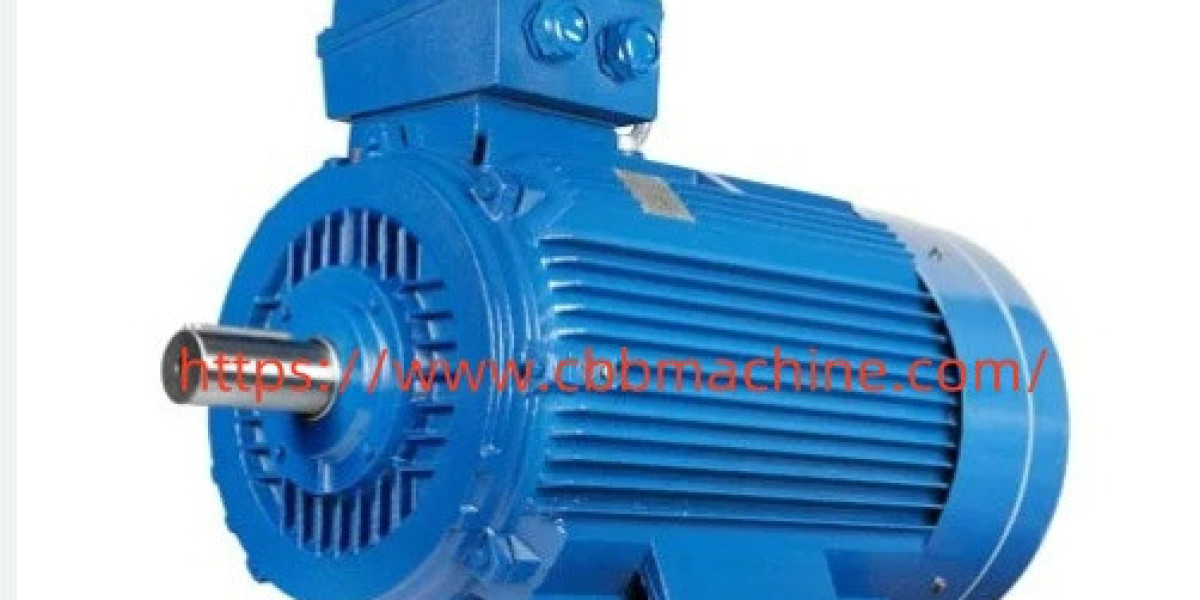

In many modern manufacturing systems, efficiency and precision are the foundation of progress. Within this context, the Electric Torque Motor has become a vital component in achieving controlled movement, steady power output, and reduced mechanical wear. This type of motor is widely used in equipment requiring consistent torque across varying speeds, making it essential in applications such as winding, tension control, and material handling.
Unlike traditional motors that rely heavily on variable frequency drives to manage output, torque motors offer direct drive capability, which eliminates the need for gearboxes or complex transmission systems. This results in smoother operation, fewer parts that require maintenance, and increased operational stability. In industries where precision and control are priorities—such as textiles, film production, or packaging—this type of motor provides an advantage by delivering steady torque with minimal vibration.
Another notable benefit lies in its ability to maintain torque even at zero speed. This feature ensures that machines can operate without sudden stops or jerks, making production processes more predictable and reliable. The steady torque performance helps protect delicate materials from stress or damage, especially in winding and unwinding systems.
Furthermore, these motors are highly efficient when it comes to energy use. Since torque motors directly drive the application without additional mechanical components, energy losses are minimized. Their compact design also allows integration into limited spaces while maintaining thermal stability. This combination of energy efficiency and flexibility makes them ideal for continuous operation in demanding environments.
In the context of automation, torque motors play a critical role in enhancing control accuracy. When paired with feedback systems like encoders or sensors, they provide precise angular positioning and speed regulation. This capability enables manufacturers to fine-tune production lines and achieve consistent quality output across batches. Additionally, the motor's quiet operation contributes to a better working environment and reduces noise pollution in factories.
When selecting a torque motor, users should consider factors such as required torque range, speed control capability, and integration with existing machinery. Each application may demand different specifications depending on load, operating conditions, and duty cycles. Working with an experienced manufacturer ensures the system design meets both performance and safety standards.
Cbbmachine offers solutions that focus on reliability, energy efficiency, and long service life. Their approach combines advanced engineering with durable construction, supporting various industrial processes that require smooth motion control and consistent torque delivery. These features not only enhance productivity but also reduce maintenance downtime and operational costs over time.
With the growing demand for intelligent automation and precision-driven manufacturing, torque motors continue to be a crucial component in advancing industrial performance. Companies seeking dependable motion solutions can find adaptable options designed for long-term reliability and efficient operation at https://www.cbbmachine.com/.