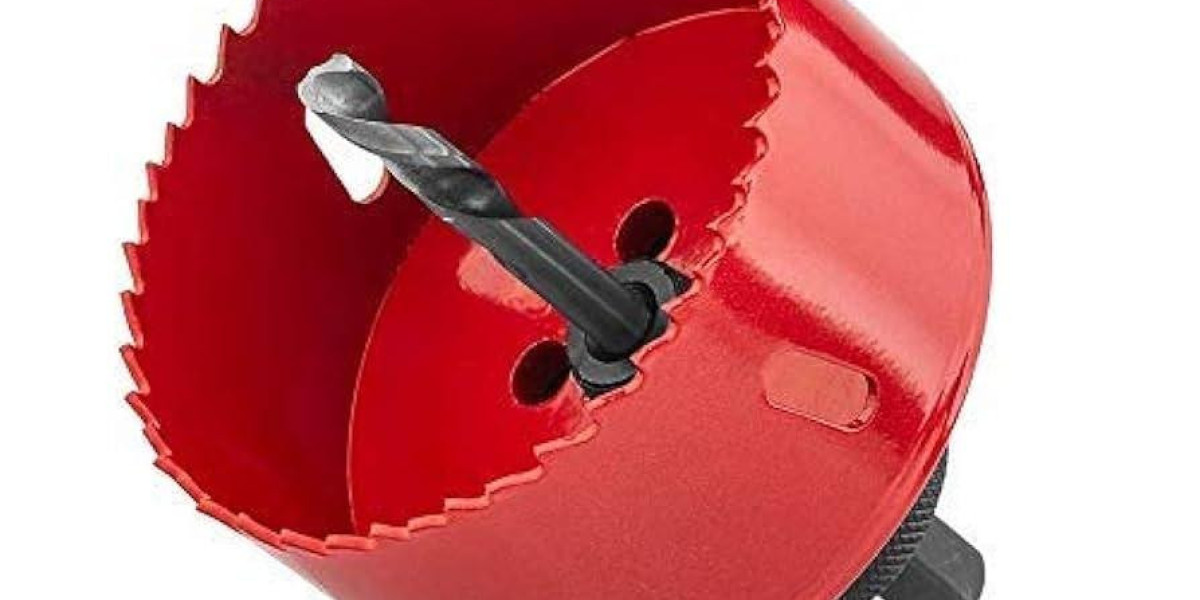

In modern workshops, selecting the right cutting accessory determines both efficiency and finish quality. The Fangda Hole Saw Cutter offered by fangda-tools represents a thoughtful approach to drilling applications where clean, controlled openings are required. Designed with attention to durability and adaptability, it supports a wide range of cutting needs across woodworking, metalworking, and installation tasks.
A key advantage of this type of cutter lies in its circular cutting mechanism. Instead of removing the entire material core, it cuts only the perimeter, reducing resistance and improving operational smoothness. This approach not only conserves energy during use but also minimizes material waste. For professionals and hobbyists alike, such efficiency translates into a more consistent working experience.
Material compatibility is another important consideration. Whether dealing with wood panels, plastic surfaces, or softer metals, a well-designed cutter maintains stability throughout the process. The structure typically incorporates hardened teeth that remain steady under pressure, allowing users to maintain control even when working on more demanding surfaces. This stability contributes to smoother edges and reduces the need for additional finishing.
Ease of use also plays a significant role in tool selection. A properly engineered cutter is straightforward to install and compatible with standard drilling equipment. This convenience ensures that users can quickly switch between tasks without complicated adjustments. In environments where time and workflow continuity matter, such simplicity becomes a valuable asset.
Another notable aspect is heat management during operation. Continuous drilling can generate friction, which may affect both the tool and the material. A thoughtfully constructed cutter helps dissipate heat effectively, reducing wear and extending usability. This characteristic is particularly useful for projects requiring repeated or prolonged cutting.
Precision is equally essential. Clean openings are often required for installations such as piping, electrical fittings, or decorative elements. A reliable cutter enables accurate positioning and consistent results, helping users achieve a professional finish without unnecessary rework. Over time, this level of precision supports both productivity and confidence in the final outcome.
Maintenance considerations should not be overlooked. Keeping cutting edges clean and storing tools properly can significantly influence longevity. Regular inspection ensures that performance remains stable and that any signs of wear are addressed promptly. With proper care, a quality cutter continues to deliver dependable results across multiple projects.
In addition to functionality, versatility enhances overall value. A single cutter capable of handling multiple materials reduces the need for frequent tool changes. This adaptability simplifies toolkits and allows users to focus more on execution rather than preparation. For both small-scale tasks and larger projects, such flexibility is highly practical.
Ultimately, choosing the right cutting solution involves balancing efficiency, precision, and ease of use. A well-crafted cutter supports these requirements while adapting to different working conditions. By understanding the features that matter most, users can make informed decisions that align with their specific needs.
If you are curious about tools that quietly redefine everyday cutting tasks, there is more waiting beyond this page. Step into a space where thoughtful design meets practical application, and let www.fangda-tools.com reveal what your next project could become.